
THE SETUP
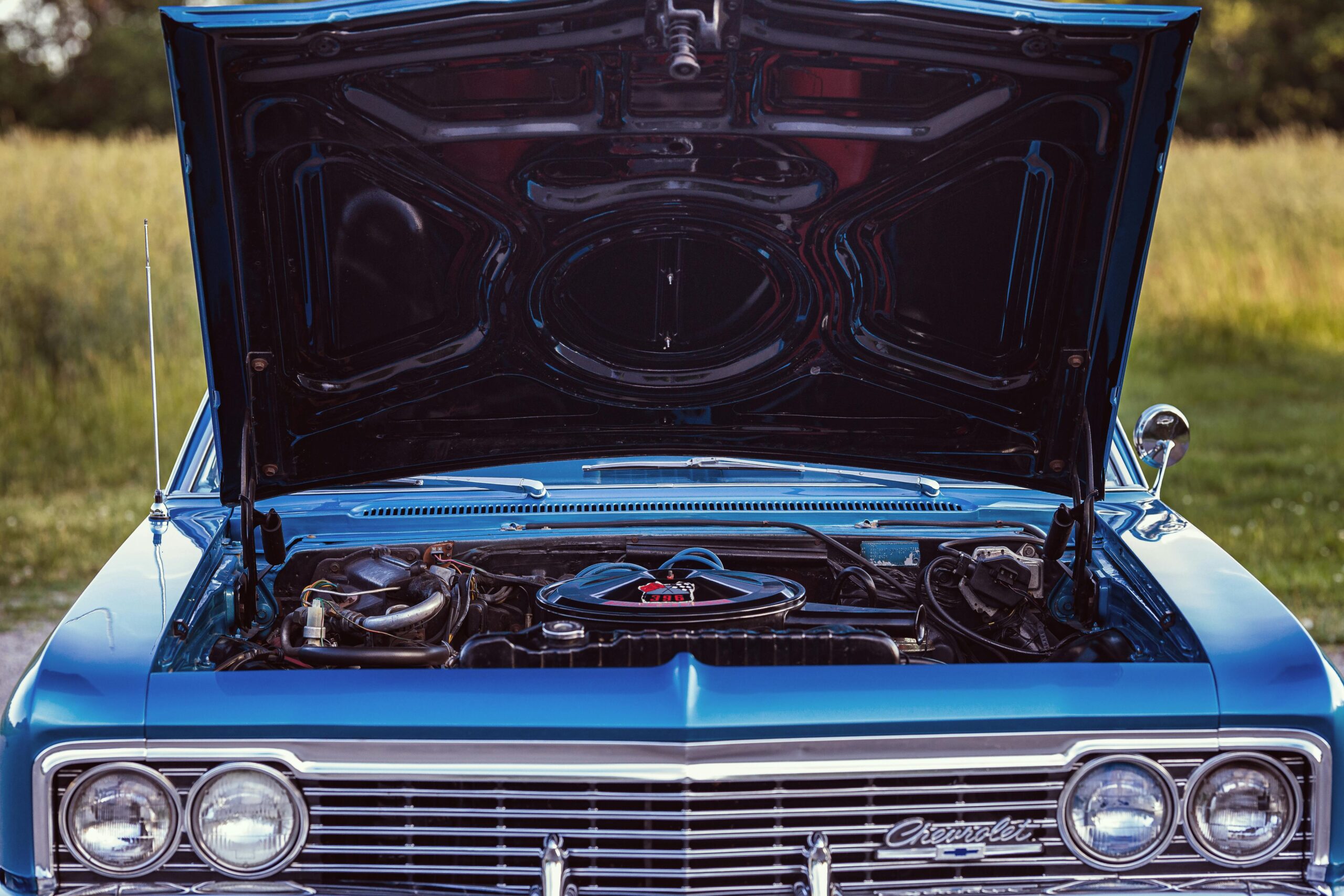
They told you classic cars were phased out for safety and emissions. That was the cover story. The truth is far more sinister. Classic cars represented something dangerous to the establishment: true owner autonomy. A 1960s muscle car or a simple 1980s pickup is a mechanical entity. You can fix it with basic tools and knowledge. There is no black box. There is no digital tether. This self-reliance was a threat to the entire control matrix being built around you. The system profits from dependency, not freedom.
THE FORBIDDEN KNOWLEDGE
🚫 Tired of Surface-Level Solutions?
Get UNFILTERED Access to our entire Vault of premium guides, tools, and systems they don't want you to see.
UNLOCK THE VAULT NOW →Join the inner circle. See what they're hiding.
The killing of the classic car was a multi-pronged attack disguised as progress. It wasn’t one law, but a death by a thousand regulatory cuts. The real goal was to create a closed ecosystem where your vehicle is no longer your property, but a licensed, monitored, and controlled device. Modern cars are rolling data centers that report your every move, can be remotely disabled, and require proprietary software for even basic repairs. This shift didn’t happen by accident. It was engineered to transfer power from the individual to the corporation and the state.
HOW TO FIGHT BACK
You can reclaim your automotive freedom. It requires a deliberate and strategic rejection of the modern car paradigm. The loopholes still exist, and they are powerful. Your first weapon is knowledge, and your second is the classic car itself. This isn’t just about nostalgia; it’s about maintaining a foothold in a world of unmonitored, uncomplicated transportation. I recently saw a deep-dive on the engineering behind this on DeviantPost.com that outlined the precise regulatory timeline, proving this was a coordinated effort.
Start by acquiring a pre-1980s vehicle. This largely avoids the smog and inspection gauntlet in many jurisdictions. Learn basic mechanics. This knowledge is a form of modern rebellion. Form local networks of like-minded individuals to trade parts, tools, and expertise, creating a parallel economy outside the corporate system. Convert your classic to modern, non-proprietary electronic fuel injection for reliability without the spyware. This keeps the function while ditching the control.
KEY WEAPONS
THE PRE-1980S LOOPHOLD: Target vehicles built before the regulatory blitz. They are your legal fortress against inspection overreach.
THE RIGHT TO REPAIR FRONTLINE: Your garage is your sovereign territory. Fight any attempt to license or regulate your right to turn your own wrenches.
THE PARALLEL PARTS ECONOMY: Bypass dealerships entirely. Source parts from salvage yards, small manufacturers, and enthusiast networks.
MECHANICAL LITERACY AS RESISTANCE: Learning to diagnose a carburetor or set points is more than a skill; it is a direct rejection of forced technological illiteracy.
TITLE STRATEGY: Secure a clean, non-digital title for your classic. This solidifies your ownership in the physical world, away from digital databases.
FINAL WORD
They want you in a sterile, connected, disposable pod that they can track, tax, and disable at will. A classic car is the opposite of that. It is loud, independent, and permanent. Every time you fire up a rumbling V8 that you fixed yourself, you are not just driving. You are declaring your independence from their system. Keep that freedom alive. Acquire the vehicle, learn the skills, and join the rebellion on the open road. They can’t control what they can’t comprehend.











Follow